On October 15, the Bioethics Observatory of the Catholic University of Valencia and the NEOS Foundation presented the report “Life from the Beginning: The Battle for Human Dignity from the Laboratory.”
The document analyzes the ethical challenges posed by new reproductive biotechnologies and warns of the risks of instrumentalization and commodification of human life in its early stages of development.
The rector of the Catholic University of Valencia, José Manuel Pagán, welcomed the attendees, highlighting the importance of promoting initiatives that contribute to the defense of human life.
During his remarks, he emphasized that this task represents one of the University’s fundamental commitments and specifically acknowledged the work carried out by the Bioethics Observatory, which continues the scientific and humanistic legacy of its founder, Justo Aznar.
Likewise, he emphasized the need to promote spaces for meeting and reflection that help strengthen a culture of respect for and protection of life.
The event, moderated by Amparo Baviera, co-spokesperson for NEOS in Valencia, brought together representatives from the academic, scientific, and social spheres to reflect on the bioethical challenges posed by new reproductive technologies and the need to protect the dignity of human life from its earliest stages.
The study presented addresses the need to establish clear ethical boundaries in light of rapid advances in genetic engineering and assisted reproduction.
It was written by Julio Tudela, director of the UCV Bioethics Observatory; Nicolás Jouve, professor emeritus of Genetics at the University of Alcalá; and Lucía Gómez Tatay, a researcher at the Observatory and professor at the UCV. It also includes a foreword by Jaime Mayor Oreja, president of the NEOS Foundation.
The purpose of science is to serve humanity

In this regard, he emphasized that “the goal is not to conquer new territories. The goal is to serve humanity,” and argued that scientific research should be at the service of the individual—especially the most vulnerable human beings.
Furthermore, he insisted that human life cannot be turned into a manipulable product, and he emphasized the need for a solid grounding in bioethics among scientists and healthcare professionals.
Science must illuminate the future

During his remarks, he warned of the risk that these advances could lead to the instrumentalization and commodification of human life, fostering practices of genetic selection and the creation of so-called “designer babies.”
He also emphasized the need to establish clear ethical boundaries for scientific research and to ensure the protection of human dignity from the earliest stages of development.
The more progress, the more ethics

During his remarks, he argued that scientific and technological development must be accompanied by higher ethical standards, and he warned of the risks of interpreting freedom as an unlimited capacity to intervene in human life.
In addition, he asserted the need to reclaim the cultural and moral foundations that underpin respect for the dignity of every person, especially the most vulnerable, and emphasized that the defense of life is one of the major debates of our time.
Scientism without ethics and the objectification of the embryo
The report notes that, while reproductive biotechnology originated as a medical response to infertility, it now risks evolving into a technical and industrial system that commodifies human life in its early stages.
Furthermore, the study warns that a utilitarian view subordinates life to a logic of genetic selection and the selection of physical characteristics (so-called “designer babies”), reducing the embryo to a mere object or laboratory material.
In this regard, the authors emphasize that science must be oriented toward the integral good of the human person from the moment of conception.
Analysis of four emerging techniques and their dilemmas
The document provides a technical and bioethical analysis of four technologies at the cutting edge of reproductive biotechnology.
First, it addresses the production of artificial embryos or “embryoids”, which are laboratory-created models derived from stem cells that simulate specific stages of embryonic development; their ambiguous status carries the risk of their objectification and instrumentalization as mere objects of biological experimentation.
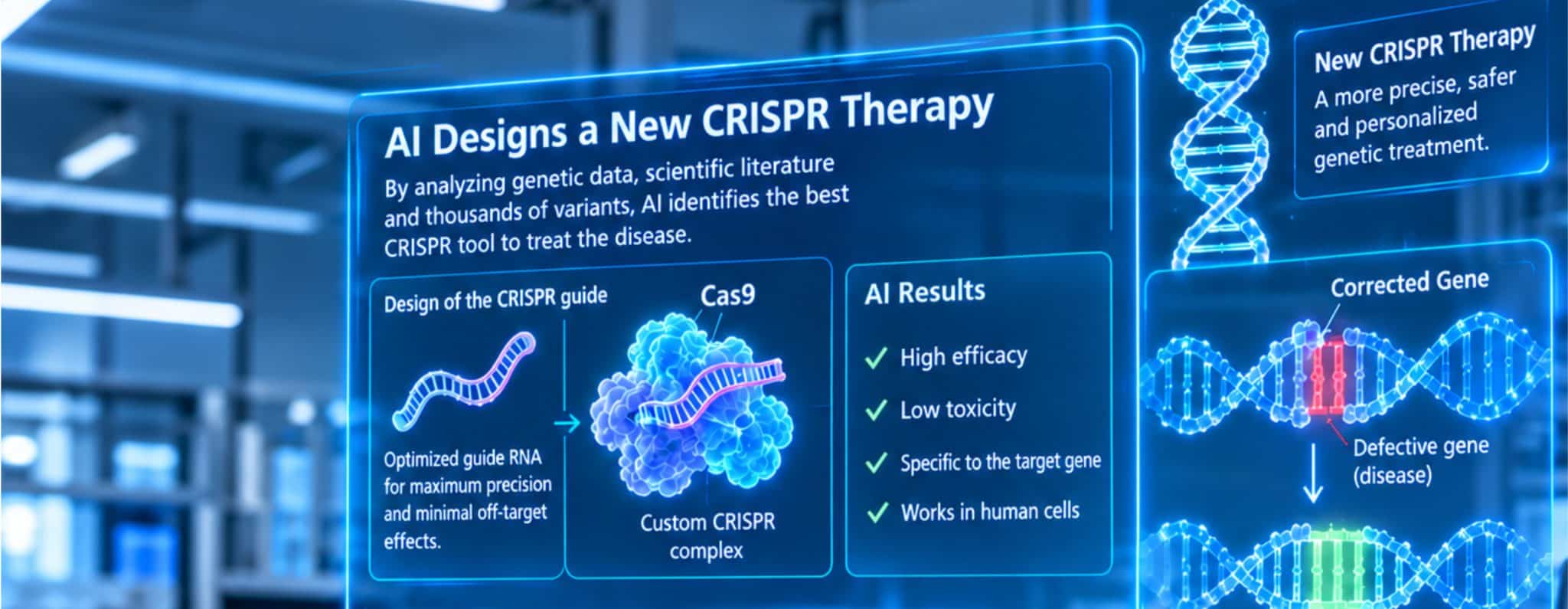
The document also examines germline gene editing using CRISPR-Cas9, a technique that allows for the introduction of heritable modifications into the DNA of embryos and raises significant ethical questions due to its potential consequences for future generations, the risk of eugenic practices, and the increase in social inequalities.
It also examines mitochondrial replacement therapy (MRT), which is used to replace defective mitochondria and is commonly known as the “three-parent baby” technique; this procedure introduces genetic changes that are potentially heritable and raises questions about genetic identity and parentage.
Finally, it explores the creation of human-animal chimeras by combining human cells with animal organisms, a practice that raises complex bioethical debates related to biological identity, the limits of experimentation, and the protection of life.

The ten-point plan: legislative, scientific, and social proposals
The report concludes with a ten-point plan of proposals which, as Nicolás Jouve explained during the presentation, are structured around three broad areas of action: legislative reform, the establishment of ethical limits for scientific research, and the promotion of a culture of respect for human life.
The geneticist further emphasized the importance of strengthening the role of bioethics committees, ensuring transparency in research, and promoting bioethical education among healthcare professionals and society.
Among the main measures included in the document, the following stand out:
- Legal redefinition of the embryo: Amending Spanish regulations to grant legal status and protection to embryos and embryoids as human life from the moment of their creation, regardless of whether their origin is natural or artificial.
- Compliance with international agreements: Harmonizing laws with UNESCO’s Universal Declaration on Bioethics and Human Rights and the Oviedo Convention.
- Putting a stop to commodification: Protecting vulnerable populations from reproductive exploitation by prohibiting the trade in gametes and embryos, as well as surrogacy.
- Experimental limits: Prohibit the prolonged culture of embryoids and their implantation into human or animal uterus and promote continuous oversight by multidisciplinary ethics committees.
- Promotion of ethical alternatives: Encourage non-destructive scientific research and promote bioethics education in the health sciences.
With this report, the UCV Bioethics Observatory and the NEOS Foundation seek to contribute to a scientific, ethical, and social debate regarding the limits of new reproductive biotechnologies, asserting that scientific progress must always serve the human being and respect for human dignity, especially during the most vulnerable stages of life.