Brain cells may be as unique as the people to which they belong. This genetic, molecular, and morphological diversity of the brain leads to the functional variation that is likely necessary for the higher-order cognitive processes that are unique to humans.

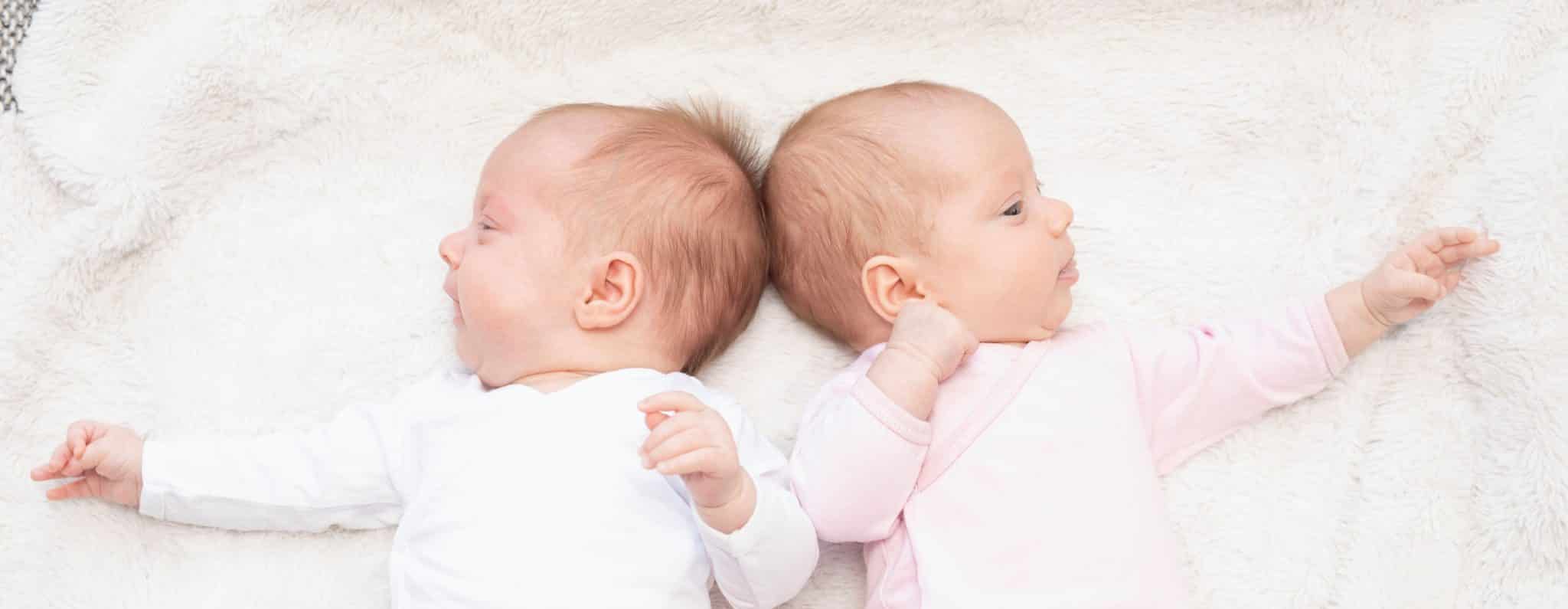
Discovering diversity. Research has also begun to examine how somatic mosaicism might drive functional differences in individual neurons. Such neuronal diversity may help explain the origin of personality in humans. Anecdotally, siblings, even monozygotic twins, often have remarkably different personalities even at young ages, despite sharing genes and environments. Diversification of neurons arising from somatic gene mutations or subtle molecular and environmental differences may help explain the origin of cognitive and behavioral of human brain individuality.
Such mosaicism may have a dark side, however. Although neuronal diversification is normal, it is possible that there is an optimal extent of diversity for brain function and that anything outside those bounds—too low or too high—may be pathological. For example, if neurons fail to function optimally in their particular role or environment, deficits could arise. Similarly, if neurons diversify and become too specialized to a given role, they may lose the plasticity required to change and function normally within a larger circuit.
As researchers continue to probe the enormous complexity of the human brain at the single-cell level, they will likely begin to uncover the answers to these questions—as well as those we haven’t even thought to ask yet (The Scientist, November 1, 2017).
Related issue. Sex-associated neuroanatomical and behavioral differences